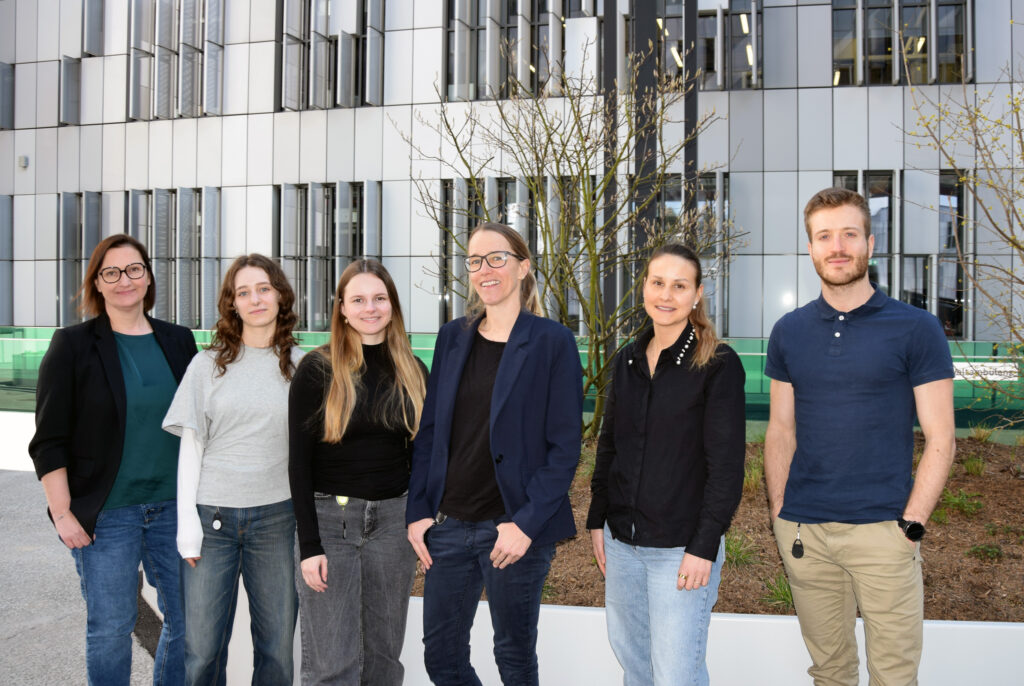
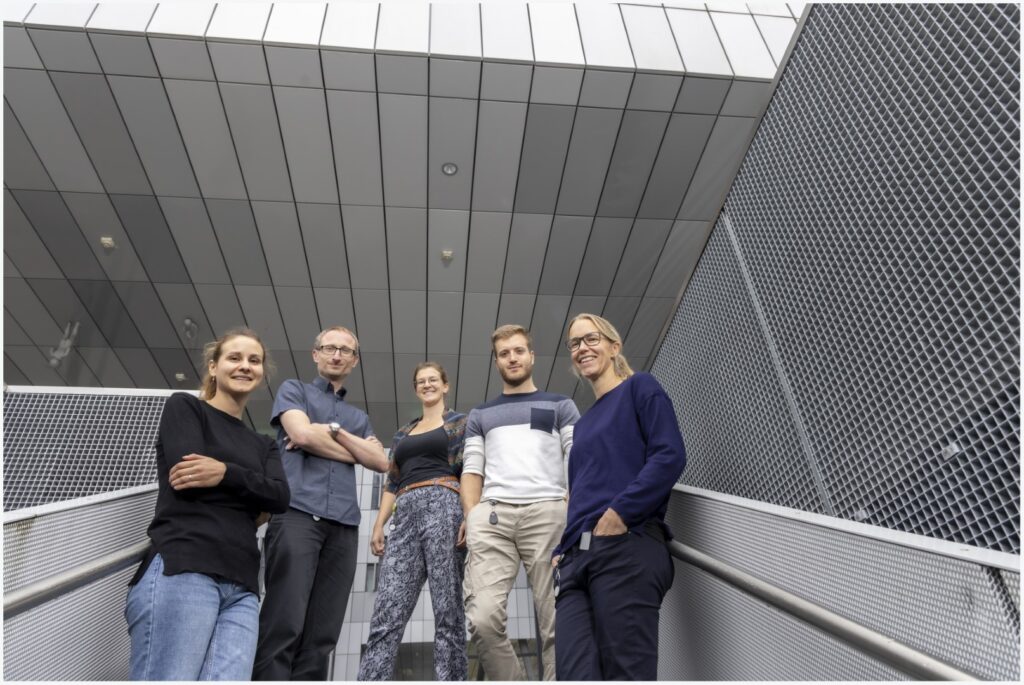
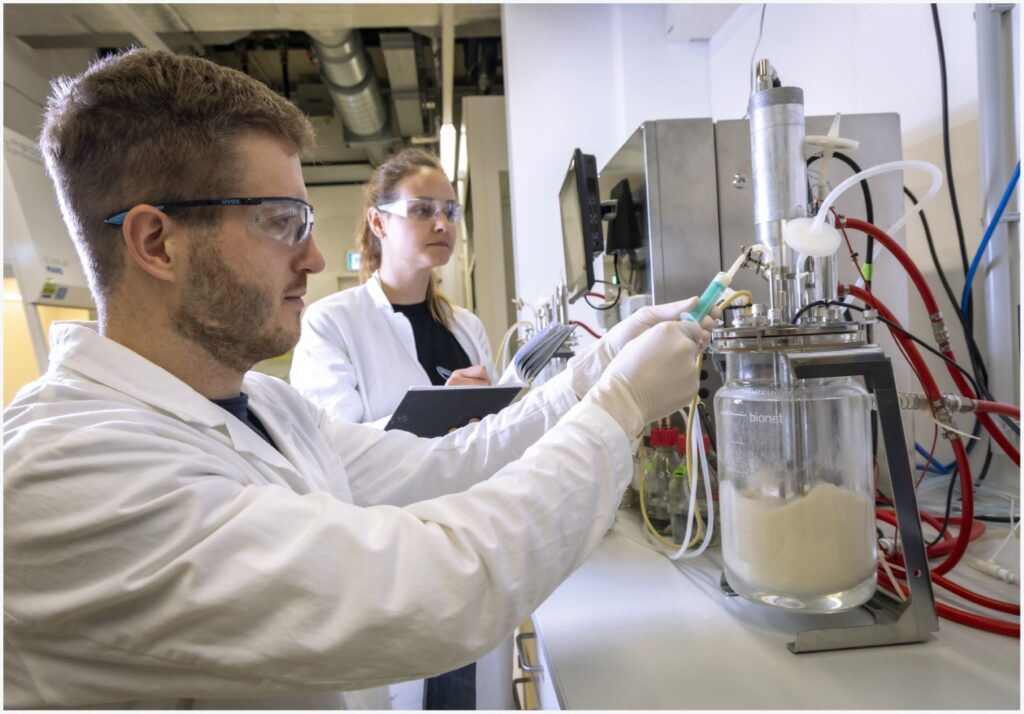
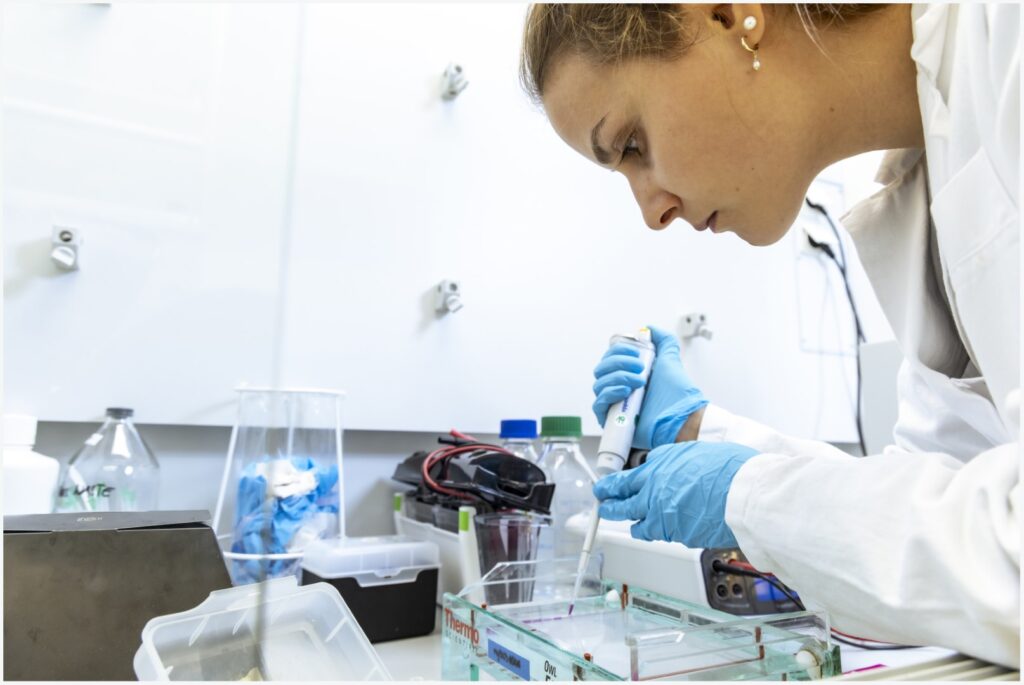
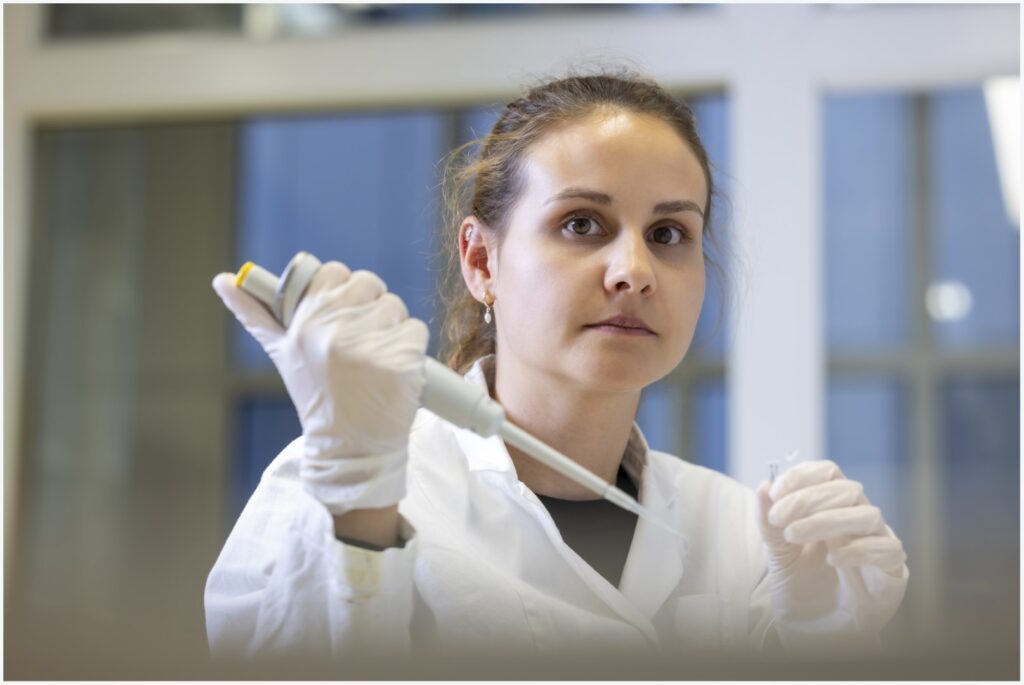
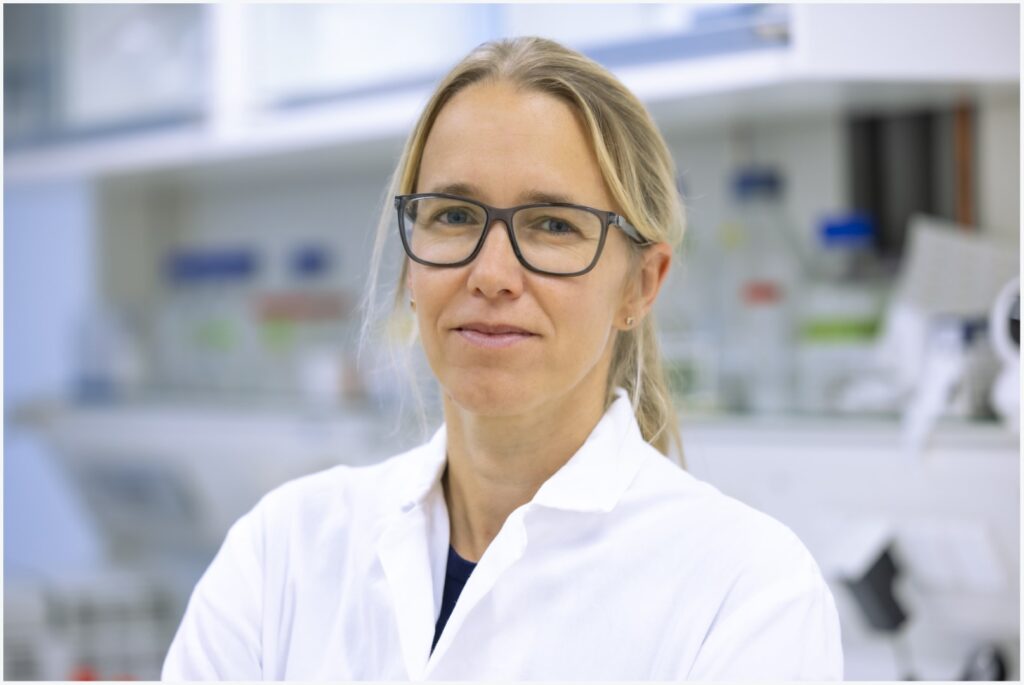
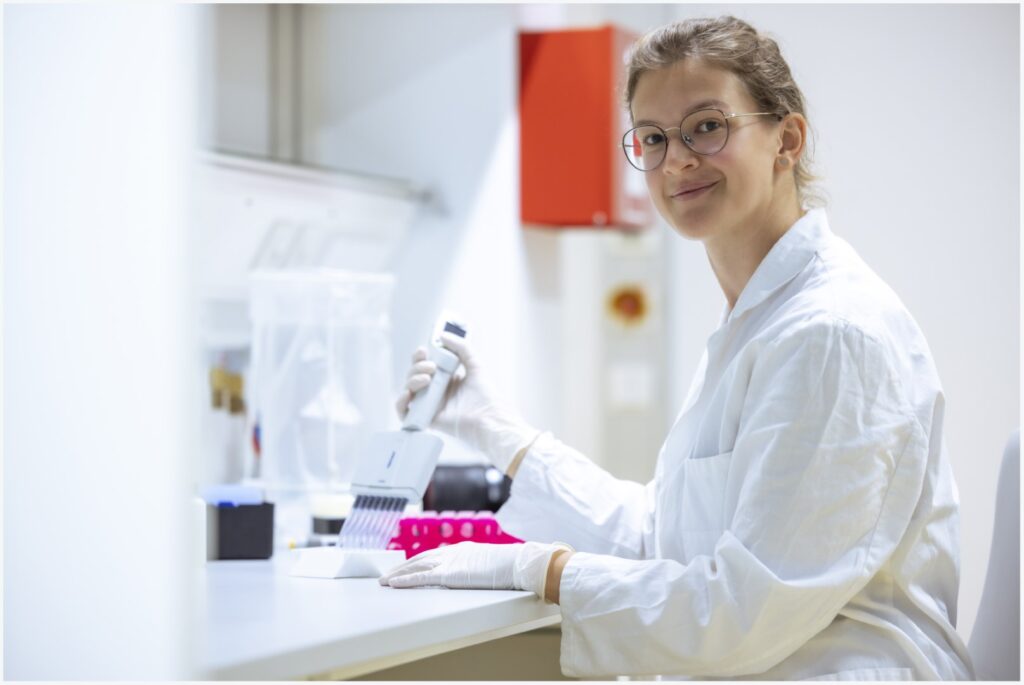
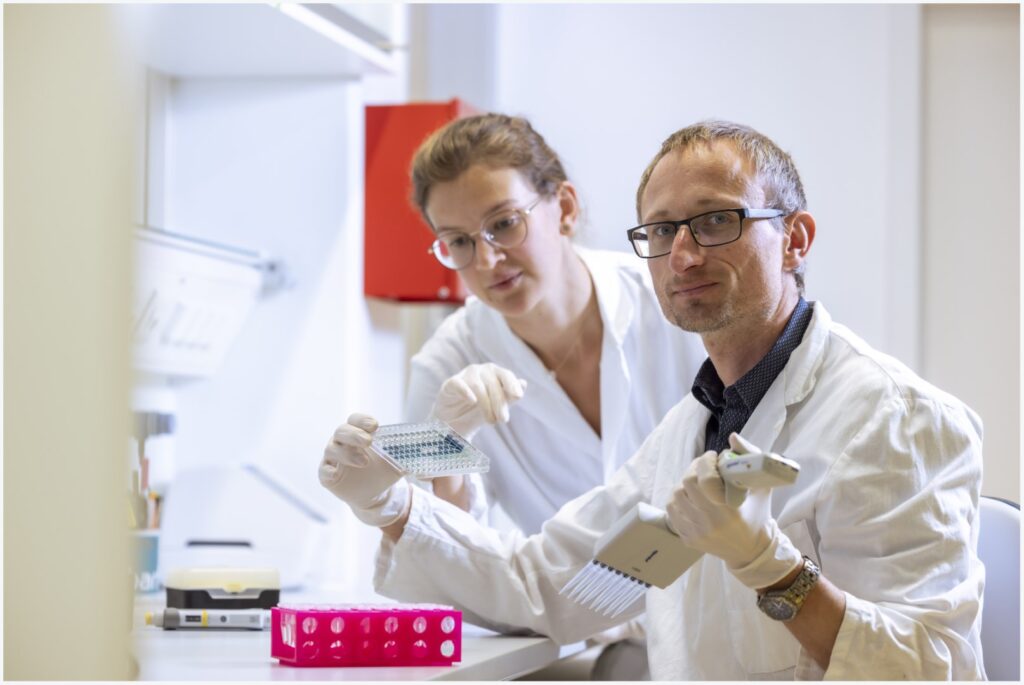
About us

Who we are
myBIOS GmbH

Headquartered in Graz, Austria, myBIOS is an innovative biotechnology company built on more than 40 years of scientific expertise. The company specializes in the production of high-value recombinant proteins, including alternative proteins, industrial enzymes, and bioactive peptides, serving a broad range of industrial sectors such as food and feed, pharmaceuticals, cosmetics or materials. At myBIOS, our mission is to redefine the future of recombinant protein production through our methanol-free process technology utilizing the yeast Pichia pastoris (Komagataella phaffii).
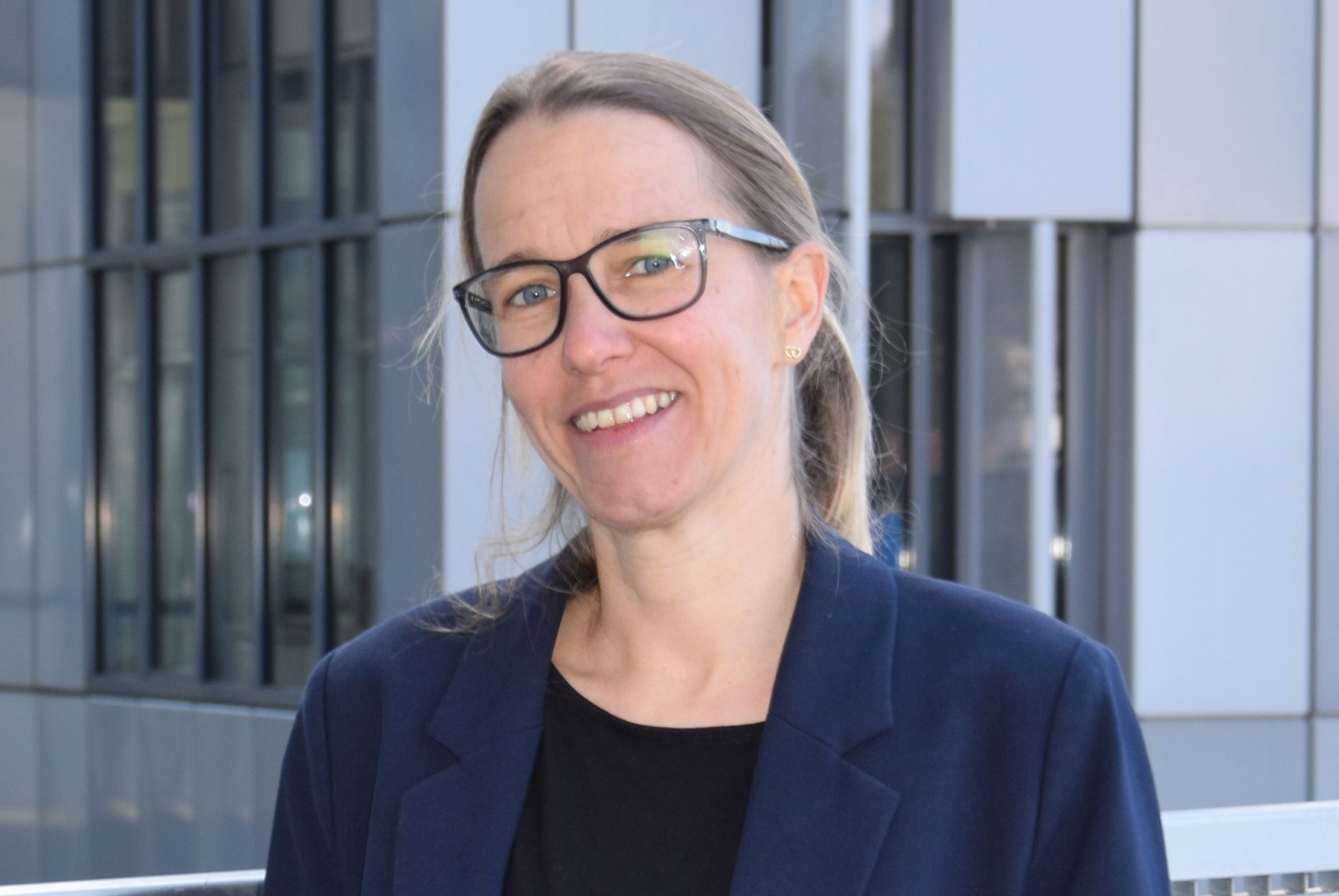
Claudia Rinnofner, DI Dr.

Claudia Rinnofner, DI Dr.

Chief Executive Officer

Claudia Rinnofner earned her PhD at Graz University of Technology (TUG) in the research group of Prof. Anton Glieder at the Institute of Molecular Biotechnology. Her PhD thesis focused on the production of recombinant proteins in Pichia pastoris employing synthetic promoters. She has more than 20 years of experience as a scientist, working with Pichia pastoris and strain engineering, including the production of various heterologous proteins. At the end of 2020, Claudia founded myBIOS with the ambition to advance industrial biotechnology by delivering innovative, scalable solutions for efficient and sustainable protein production.
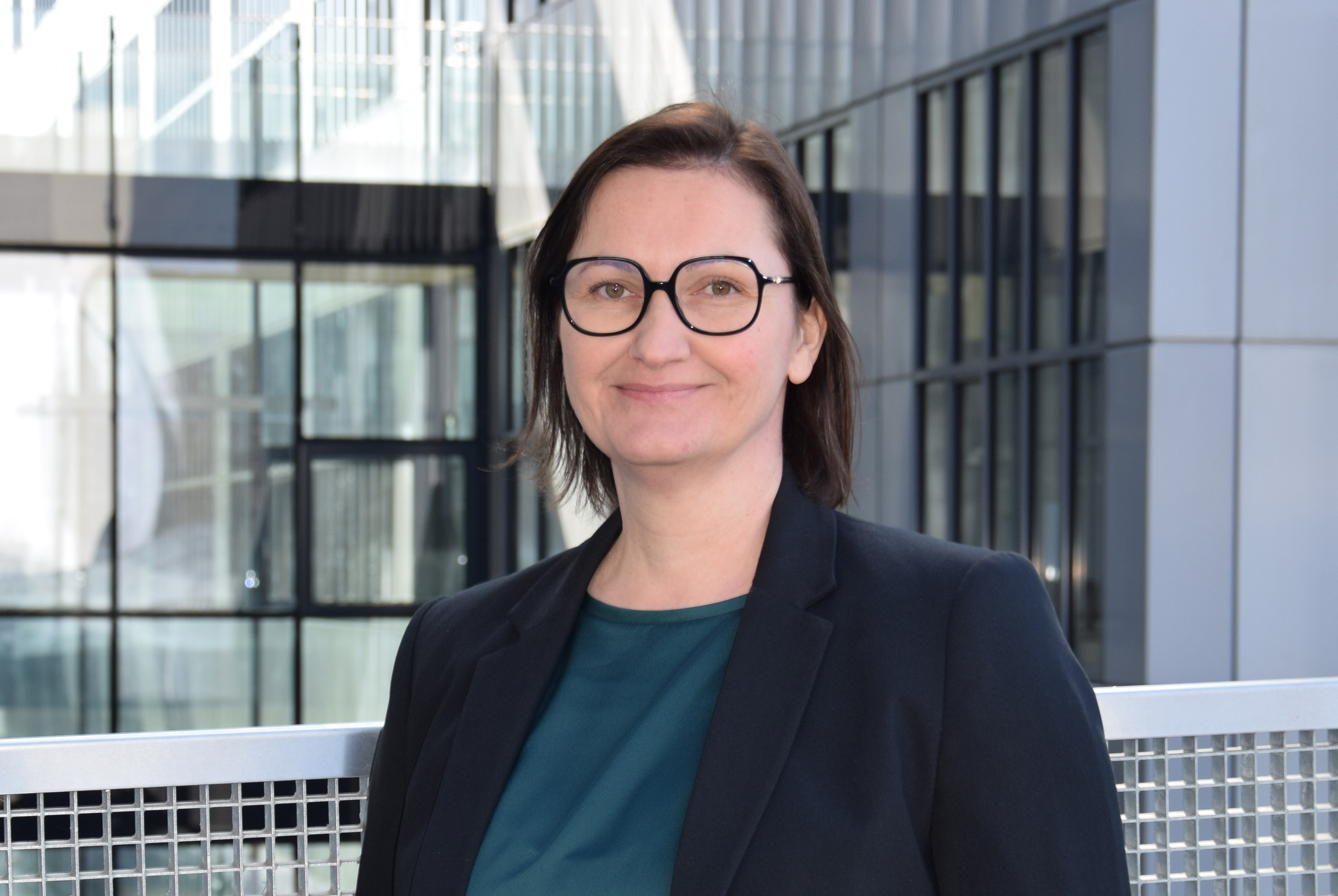
Tamara Wrießnegger, Dr. rer. nat.

Tamara Wrießnegger, Dr. rer. nat.

Head of Research & Development

Tamara Wrießnegger holds a PhD in Biochemistry from Graz Technical University. She brings over 15 years of experience as a researcher and project manager at the Austrian Centre of Industrial Biotechnology, and contributed to numerous projects focused on metabolic engineering of Pichia pastoris and the development of whole-cell biocatalysts for the production of high-value compounds. She has co-authored over 15 scientific publications and contributed to two patent applications. Since joining myBIOS in 2025, Tamara has been driving the company’s innovation strategy.
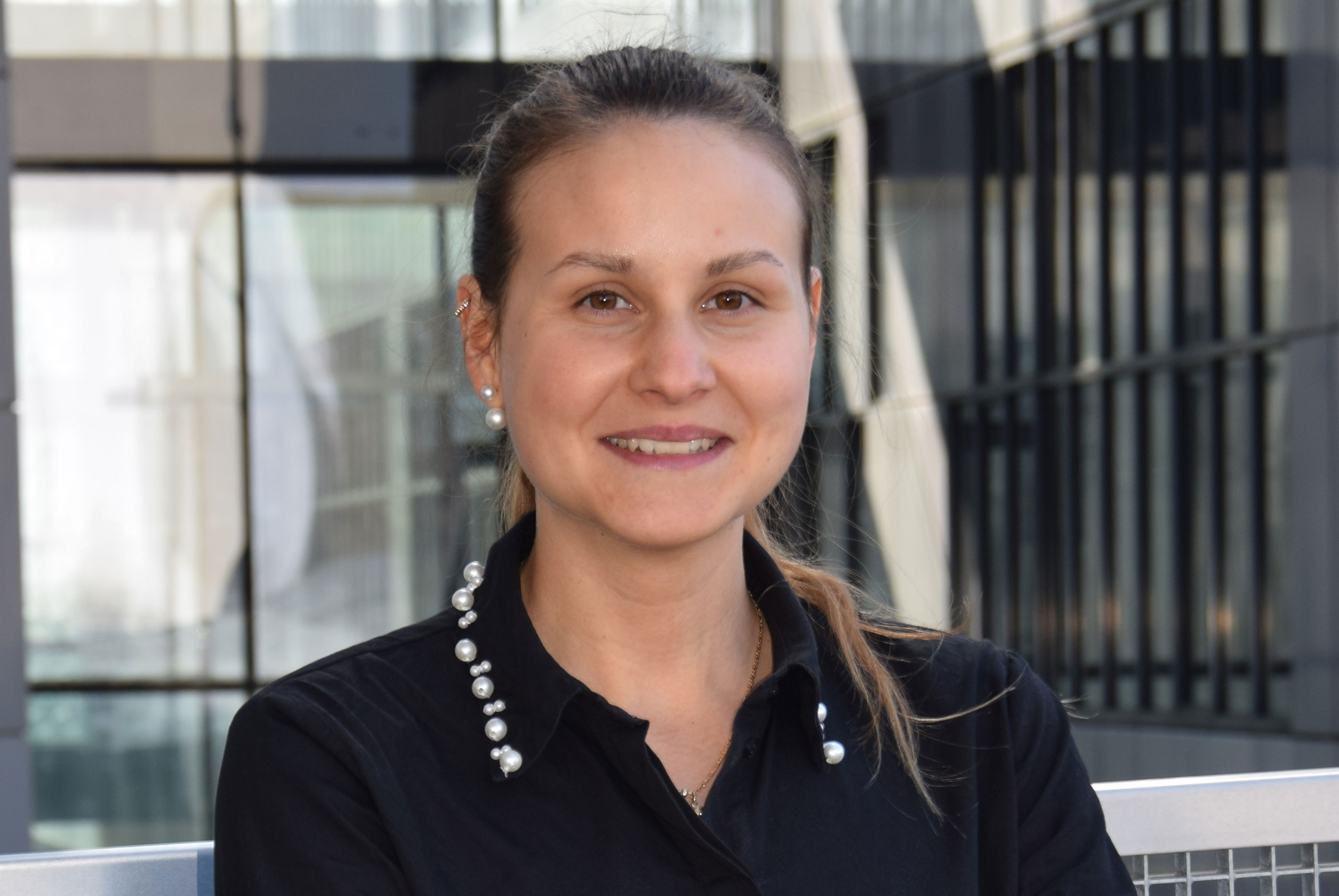
Alexandra Deibuk, M.Sc.

Alexandra Deibuk, M.Sc.

Head of Laboratory

Alexandra Deibuk has a bachelor’s degree in Molecular Biology and a master’s degree in Biochemistry and Molecular Biomedicine. She did her masters thesis at Graz University of Technology in collaboration with myBIOS focusing on the production of the SARS-COV2 spike protein and a horseradish peroxidase conjugate in Pichia pastoris, thereby making the first steps towards a novel independent methanol-free protein production technology. Alexandra joined myBIOS in 2021. She is currently working as Lab-Team Leader at myBIOS.
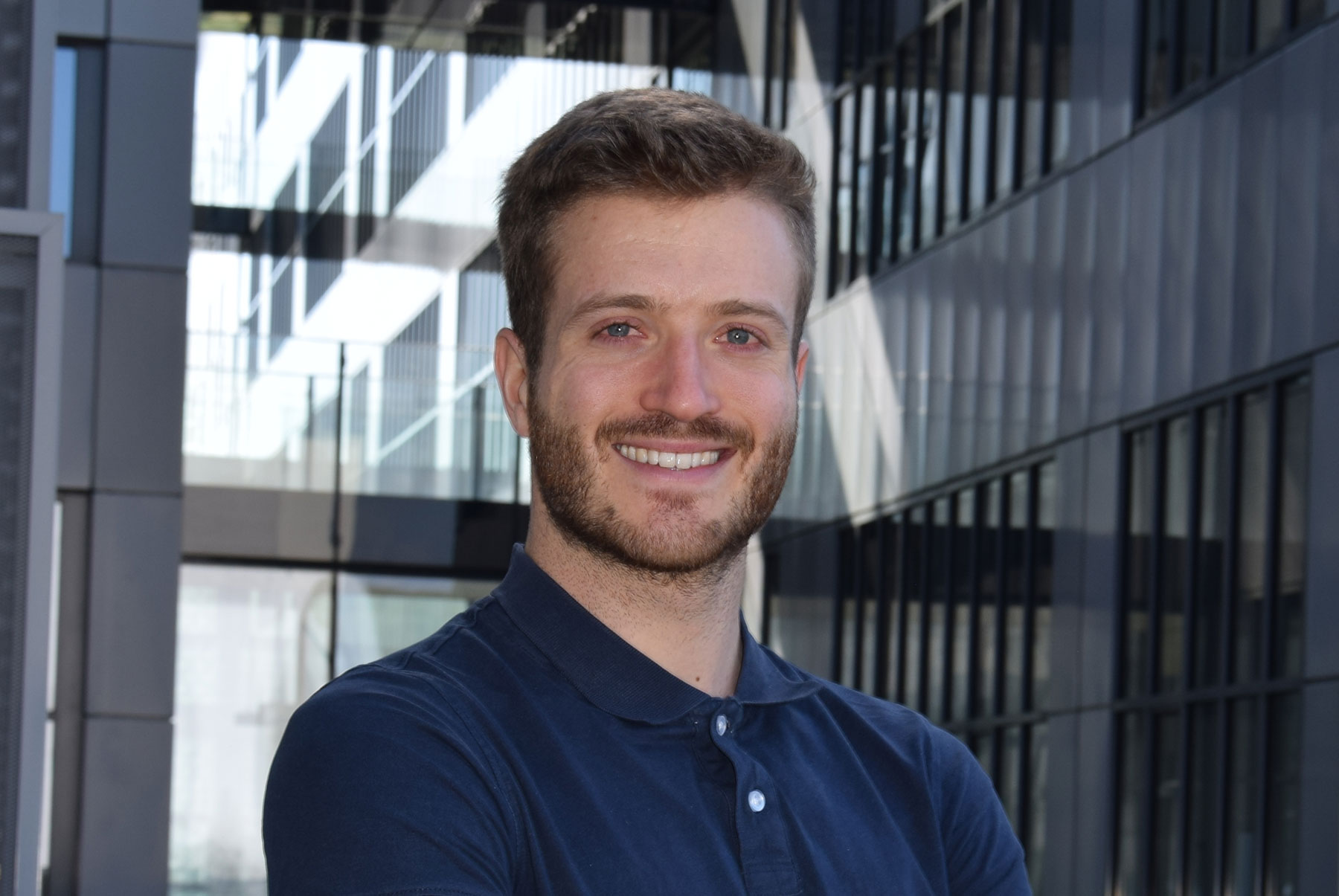
Lukas Schönleitner, M.Sc.

Lukas Schönleitner, M.Sc.

Research Scientist

Lukas Schönleitner has a bachelor’s degree in Molecular Biology and a masters’ degree in Biotechnology. He did his master thesis at Graz University of Technology (TUG) in the group of Birgit Wiltschi focusing on the integration of non-canonical amino acids in the model organism Saccharomyces cerevisiae and Escherichia coli. Lukas joined myBIOS in 2024. His focus is on exploring new approaches to overcome bottlenecks in methanol-free protein production in Pichia pastoris. Since 2026 he is pursuing his PhD at myBIOS.
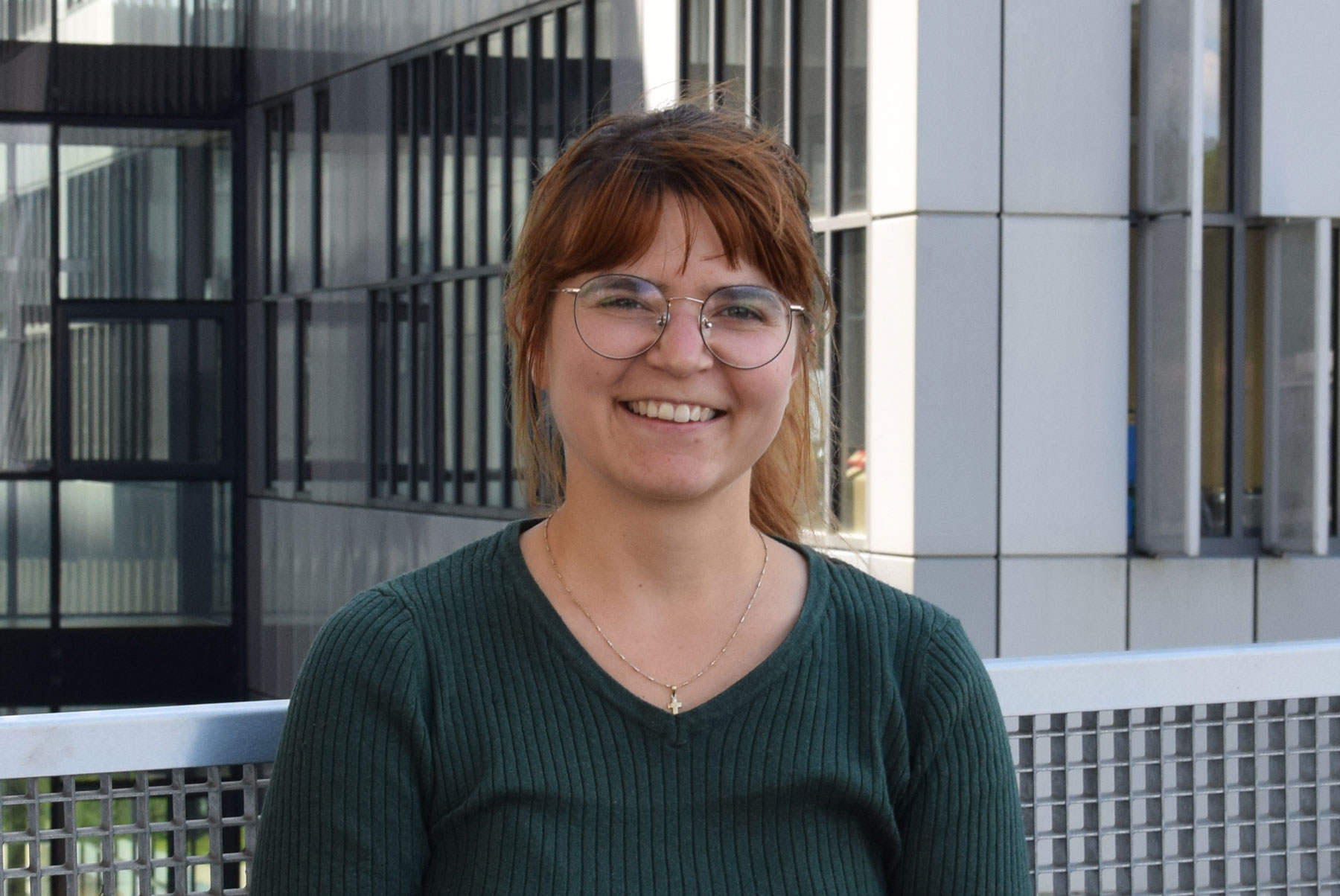
Daniela Gstattmann

Daniela Gstattmann

Internship

Daniela Gstattmann studies Biochemistry and Molecular Biomedicine. During her Bachelor’s thesis at the University of Graz, Institute of Biophysics, she was involved in the efficient isolation of integral membrane proteins in nanodiscs. Her strongest interest lies in applied biotechnology, especially in genetics and cloning. Daniela joined myBIOS in 2026. At myBIOS she focuses on developing novel platform tools.
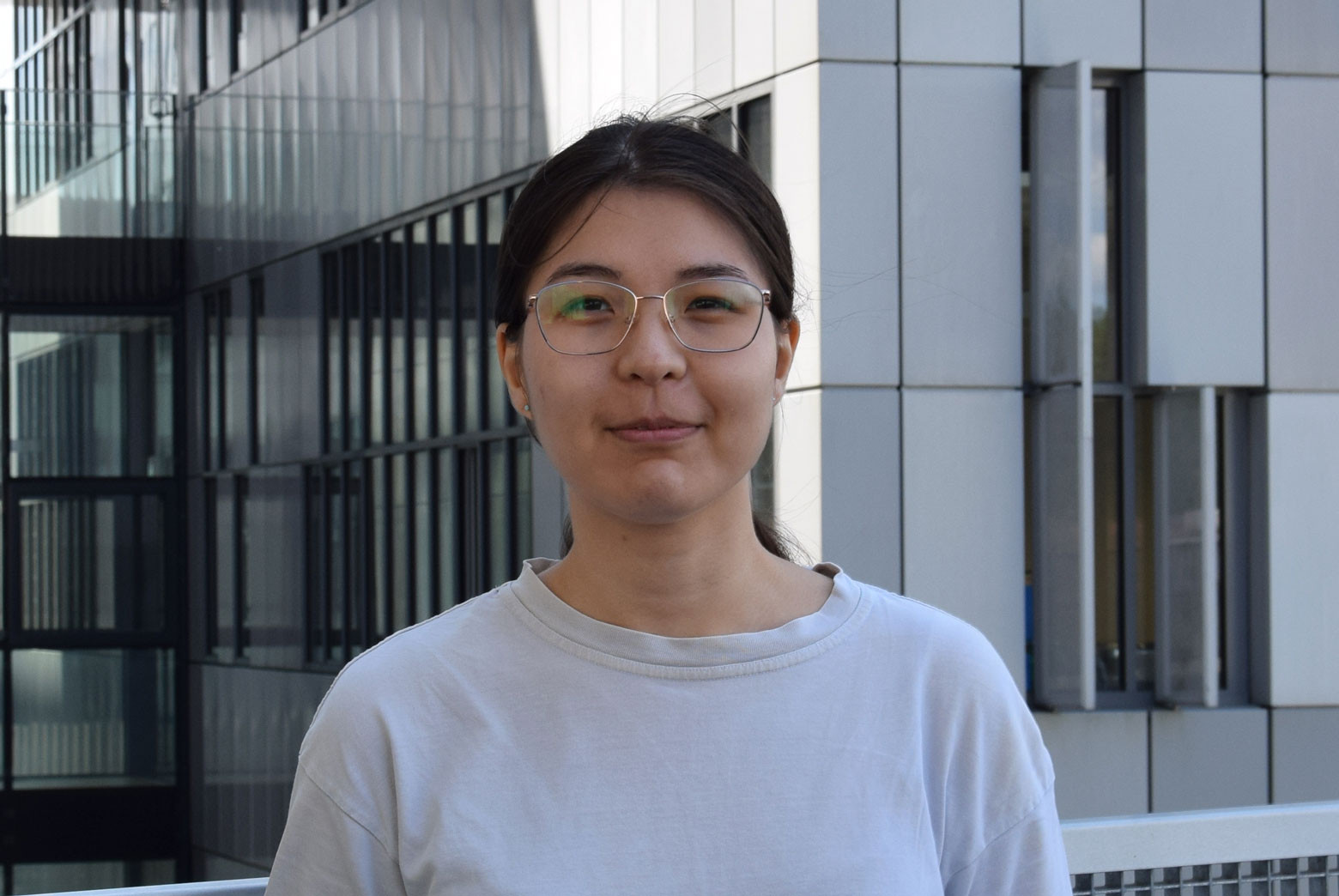
Alua Khairzhanova

Alua Khairzhanova

Internship

Alua Khairzhanova studies Molecular Microbiology as well as Biochemistry and Molecular Biomedicine. In her Bachelor’s thesis she compared the solubilization efficiencies of Nanodisc-forming surfactants for membrane proteins. She has experience in CRISPR-Cas9 genome editing and has a strong interest in bioinformatics. Alua joined myBIOS in 2026. At myBIOS she focuses on implementing alternative genome editing techniques.
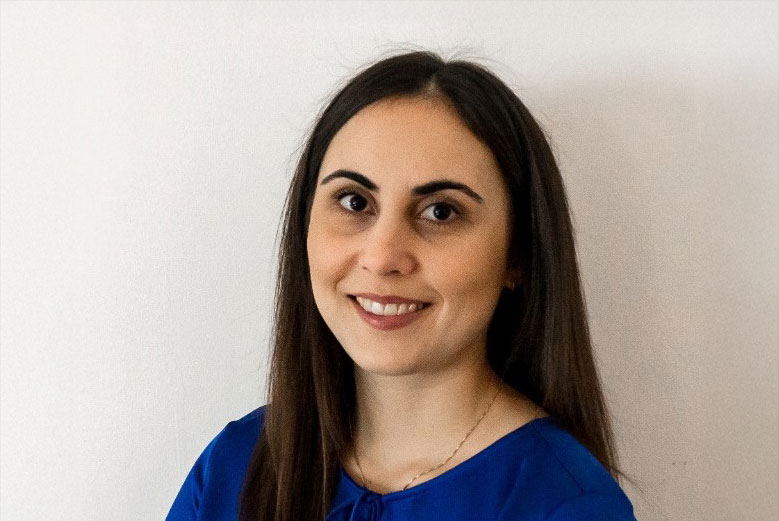
Sandra Flecker, M.Sc.

Sandra Flecker, M.Sc.

Research Scientist (on leave)

Sandra Flecker studied Molecular Biology, Biochemistry and Molecular Biomedicine at University of Graz. She joined myBIOS in 2021. Prior to it she was working in a diagnostics company. She is an experienced scientist, specialised in the field of Pichia pastoris. Her key expertise includes molecular biology techniques such as cloning, PCR, electrophoresis, transformation, small scale cultivation and expression studies.
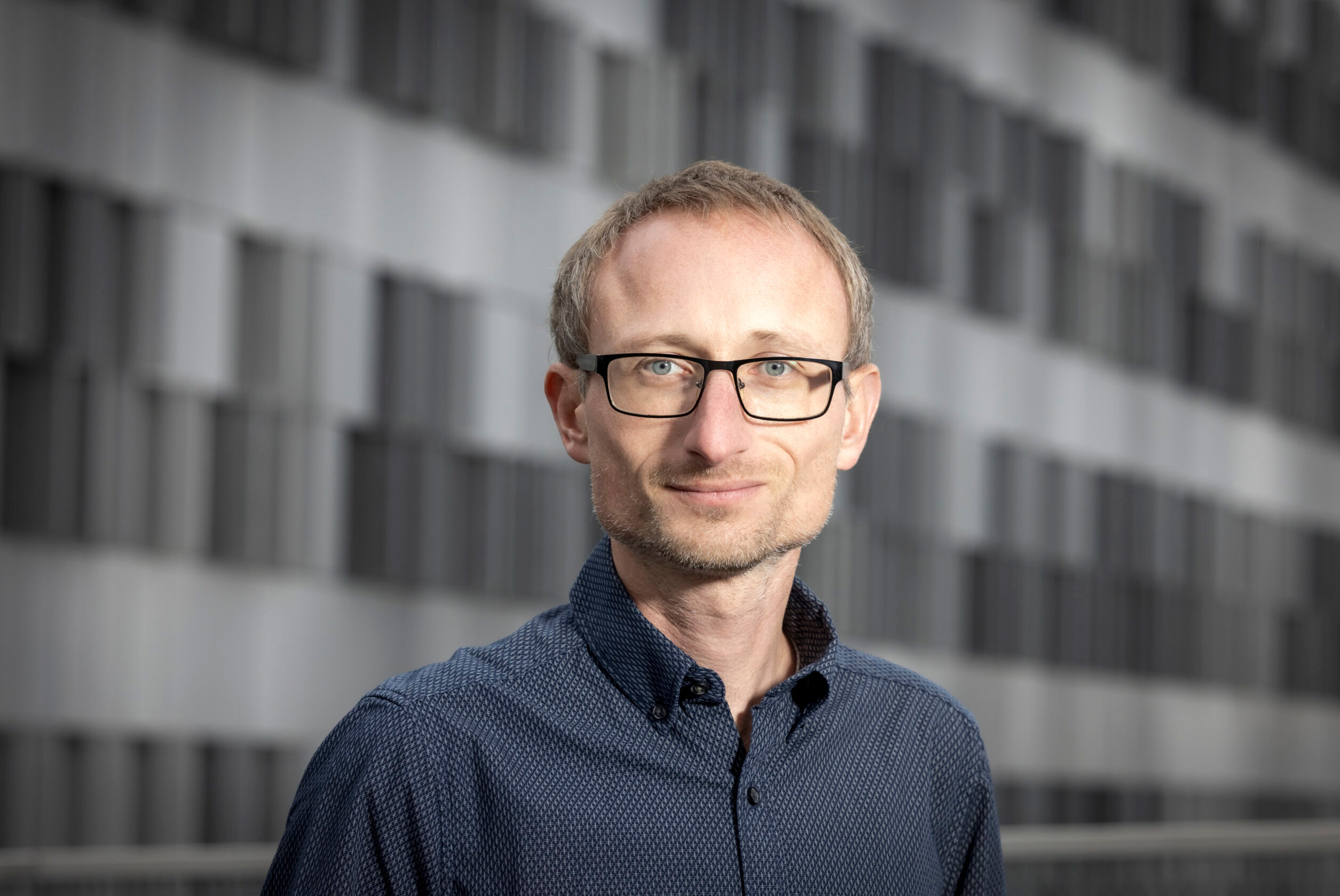
Alexander Gutmann, DI Dr.

Alexander Gutmann, DI Dr.

Consultant

Alexander Gutmann has 15 years of experience in biotechnology research and development. He managed development and optimization of fermentation and downstream processes, and organized scale-up to piloting and commercial manufacturing in the CDMO industry. He has also a strong academic track record in biocatalysis and related fields. Alexander joined myBIOS in 2024. Since 2025 he is supporting myBIOS as an independent consultant.
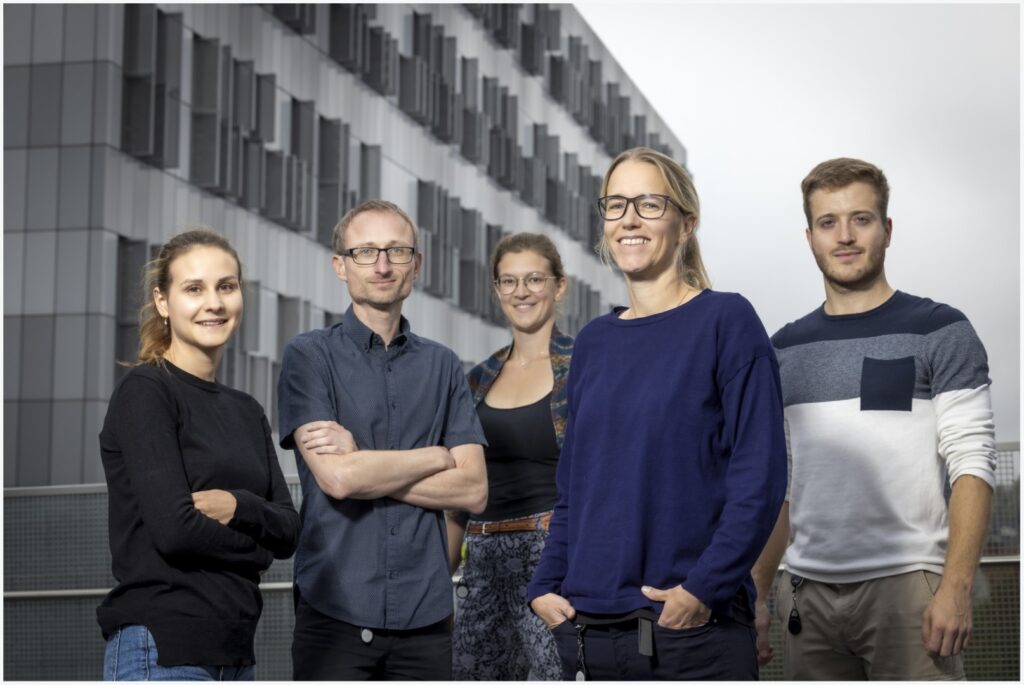
Gallery
About
About
About
About
About
About
About
About
About
About
About
About
About
Publications

Rinnofner, C., Felber, M. and Pichler, H. (2022) ‘Strains and molecular tools for recombinant protein production in Pichia pastoris’, inPichler, H. (ed.) Yeast Metabolic Engineering. Methods in Molecular Biology. New York: Humana Press, pp. 115-140. Available at:https://doi.org/10.1007/978-1-0716-2399-2_6

Hashem, C., Stolterfoht, H., Rinnofner, C., Steinberger, S., Winkler, M. and Pichler, H. (2020) ‘Secretion of Pseudomonas aeruginosa lipoxygenase by Pichia pastoris upon glycerol feed’, Biotechnology Journal, 15, 2000089. Available at:https://doi.org/10.1002/biot.202000089

Stolterfoht, H., Rinnofner, C., Winkler, M. and Pichler, H. (2019) ‘Recombinant lipoxygenases and hydroperoxide lyases for the synthesisof green leaf volatiles’, Journal of Agricultural and Food Chemistry. Available at: https://doi.org/10.1021/acs.jafc.9b02690

Rinnofner, C., Kerschbaumer, B., Weber, H., Glieder, A. and Winkler, M. (2019) ‘Cytochrome P450 mediated hydroxylation of ibuprofen using Pichia pastoris as biocatalyst’, Biocatalysis and Agricultural Biotechnology, 17, pp. 525-528. Available at:https://doi.org/10.1016/J.BCAB.2018.12.022

Fürst, M., Kerschbaumer, B., Rinnofner, C., Migglautsch, A., Winkler, M. and Fraaije, M. (2019) ‘Exploring the biocatalytic potential of aself-sufficient cytochrome P450 from Thermothelomyces thermophila’, Advanced Synthesis & Catalysis. Available at:https://doi.org/10.1002/adsc.201900076

Wriessnegger, T., Moser, S., Emmerstorfer-Augustin, A., Leitner, E., Müller, M., Kaluzna, I., Schürmann, M., Mink, D. and Pichler, H.(2016) ‘Enhancing cytochrome P450-mediated conversions in Pichia pastoris through RAD52 over-expression and optimizing thecultivation conditions’, Fungal Genetics and Biology, 89, pp. 114-125. Available at: https://doi.org/10.1016/j.fgb.2016.02.004

Wriessnegger, T., Augustin, P., Engleder, M., Leitner, E., Müller, M., Kaluzna, I., Schürmann, M., Mink, D., Zellnig, G., Schwab, H. and Pichler, H. (2014) ‘Production of the sesquiterpenoid (+)-nootkatone by metabolic engineering of Pichia pastoris’, Metabolic Engineering,24, pp. 18-29. Available at: https://doi.org/10.1016/j.ymben.2014.04.001

Ruth, C., Buchetics, M., Vidimce, V., Kotz, D., Naschberger, S., Mattanovich, D., Pichler, H. and Gasser, B. (2014) Pichia pastoris Aft1: anovel transcription factor enhancing recombinant protein secretion’, Microbial Cell Factories, 13, 120. Available at:https://doi.org/10.1186/s12934-014-0120-5

Mellitzer, A., Ruth, C., Gustafsson, C., Welch, M., Birner-Grünberger, R., Weis, R., Purkarthofer, T. and Glieder, A. (2014) ‘Synergistic modular promoter and gene optimization to push cellulase secretion by Pichia pastoris beyond existing benchmarks’, Journal of Biotechnology, 191. Available at: https://doi.org/10.1016/j.jbiotec.2014.08.035

Wriessnegger, T., Nicaud, J.M. and Pichler, H. (2013) ‘The production of heterologous proteins in the methylotrophic yeast Pichia pastoris’, Methods in Molecular Biology, 1034, pp. 33-55.

Wriessnegger, T. and Pichler, H. (2013) ‘Yeast metabolic engineering: Pichia pastoris as a host for the production of membrane proteinsand other difficult-to-express proteins’, Microbial Cell Factories, 12, 14.

Näätsaari, L., Mistlberger, B., Ruth, C., Hajek, T., Hartner, F.S. and Glieder, A. (2012) ‘Deletion of the Pichia pastoris KU70 homologuefacilitates platform strain generation for gene expression and synthetic biology’, PLoS ONE, 7. Available at:https://doi.org/10.1371/journal.pone.0039720

Ruth, C., Zuellig, T., Mellitzer, A., Weis, R., Looser, V., Kovar, K. and Glieder, A. (2010) ‘Variable production windows for porcine trypsinogen employing synthetic inducible promoter variants in Pichia pastoris’, Systems and Synthetic Biology, 4. Available at:https://doi.org/10.1007/s11693-010-9057-0

Ruth, C. and Glieder, A. (2010) ‘Perspectives on synthetic promoters for biocatalysis and biotransformation’, ChemBioChem, 11. Availableat: https://doi.org/10.1002/cbic.200900761

Wriessnegger, T., Sunga, A.J., Cregg, J.M. and Daum, G. (2009) ‘Identification of phosphatidylserine decarboxylases 1 and 2 from Pichiapastoris’, FEMS Yeast Research, 9, pp. 911-922. Available at: https://doi.org/10.1111/j.1567-1364.2009.00544.x

Hartner, F.S., Ruth, C., Langenegger, D., Johnson, S.N., Hyka, P., Lin-Cereghino, G.P., Lin-Cereghino, J., Kovar, K., Cregg, J.M. andGlieder, A. (2008) ‘Promoter library designed for fine-tuned gene expression in Pichia pastoris’, Nucleic Acids Research, 36, e76.Available at: https://doi.org/10.1093/nar/gkn369.